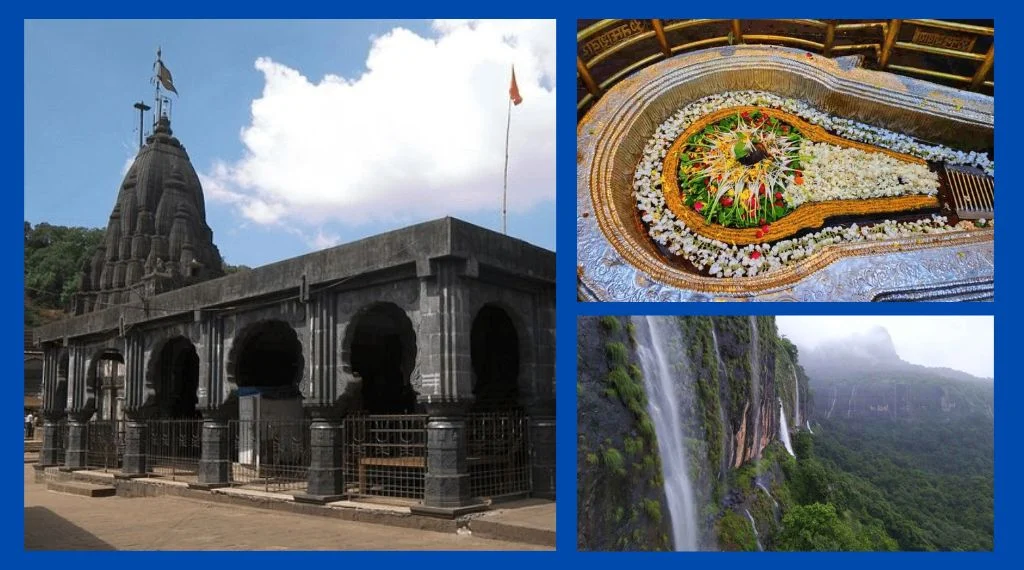

Bhimashankar Jyotirlinga is a sacred space where devotion meets deep natural peace in the heart of the Sahyadri forests. Revered as one of the twelve Jyotirlingas of Lord Shiva, this ancient temple offers pilgrims a calm, unhurried spiritual experience. Surrounded by mist-covered hills, gentle breezes, and the birthplace of the Bhima River, Bhimashankar invites devotees to slow down, reflect, and feel the quiet presence of Mahadev.
Legends of Bhimashankar Jyotirlinga
In ancient times, when the worlds were still young, a mighty asura named Tripura rose to power. Determined to gain divine strength, he undertook years of severe penance to seek the grace of Lord Brahma.
Moved by Tripura’s devotion, Brahma appeared before him and granted three boons. First, Tripura demanded invulnerability from gods, demons, yakshas, and gandharvas. Next, he asked for three indestructible flying cities, known as the famed puras. Finally, he sought the freedom to travel anywhere across the vast universe.
Brahma granted every wish. However, as Tripura’s power grew, humility slowly faded. Soon, his pride shook the three lokas. One by one, he conquered the realms, and even Indra, the lord of the heavens, fell before his might.
Alarmed and helpless, the gods turned to Lord Shiva. With folded hands and trembling hearts, they sought his divine refuge. Shiva, the eternal protector, listened in silence. Then, with compassion and resolve, he took a solemn vow to restore balance to creation.
Thereafter, upon the sacred peaks of the Sahyadri hills, Shiva revealed himself as Bhima Shankara. A fierce and world-shaking battle followed. At last, Shiva destroyed Tripura, and peace returned to the cosmos.
It is believed that after the divine battle, the sacred sweat that flowed from Shiva’s form gave birth to the holy Bhimarathi River, forever sanctifying the land around Bhimashankar.
Historical Journey of Bhimashankar Jyotirlinga Temple
According to the saint Namdev of the medieval era, Saint Jnaneshwar visited Trimbakeshwar before coming to Bhimashankar. Namdev himself also paid his respects at this sacred site, highlighting its spiritual importance during that period.
References to the Bhimashankaram shrine and the Bhimarathi River appear in literary works as early as the 13th century. However, the present structure of the temple is believed to be of comparatively recent origin.
The temple follows the Nagara style of architecture, blending classical elements with later additions. The main hall was constructed in the 18th century by Nana Phadnavis during the Peshwa era. King Shivaji Maharaj granted the nearby village of Kharosi to the temple, while daily rituals and religious activities were sustained through contributions from the local community.
Nana Phadnavis is also known to have established several Shiva shrines across Maharashtra. He consecrated one at Bhimashankar, while others were built at Menavali near Wai on the banks of the Krishna River, the Baneshwar Temple near Pune, the Omkareshwar Temple in Pune, and the Ramlinga Temple at Shirur.
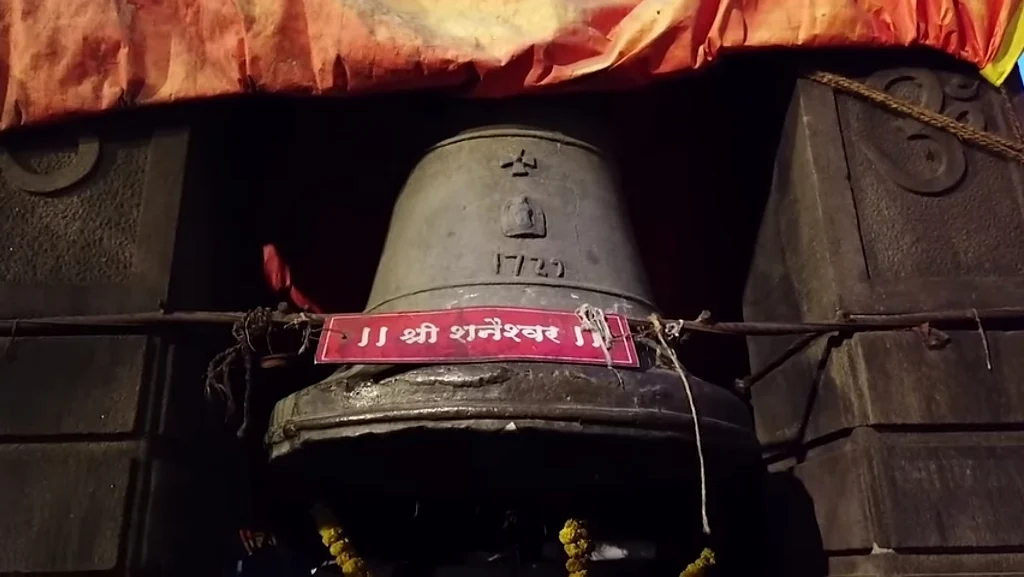
Another notable contribution came from Chimaji Appa, the brother of Bajirao I, who donated a large bell that still hangs in front of the temple. This bell was among several brought from Portuguese churches at Vasai Fort after Chimaji Appa’s victory over the Portuguese in the Battle of Baçaim in February 1739. Similar bells can also be seen at the Khandoba Temple and Naro Shankar Mandir in Nashik.
Architecture of Bhimashankar Jyotirlinga Temple
The architecture of Bhimashankar reflects the Nagara style, a tradition commonly seen in northern India. At the same time, it shows clear influences of the Hemadpanthi style, which is widely found across the Deccan region. Tradition holds that the original temple was built around a Swayambhu Shiva Linga, believed to have manifested naturally.
Notably, the Linga stands exactly at the center of the Garbhagriha (sanctum sanctorum), reinforcing the temple’s sacred geometry. The garbhagriha and antarala are constructed using locally sourced stone and follow the Indo-Aryan architectural style, a form also seen in several ancient Jain temples.
Moreover, the temple’s pillars and doorframes display finely detailed carvings of deities and human figures, reflecting the craftsmanship of the period.
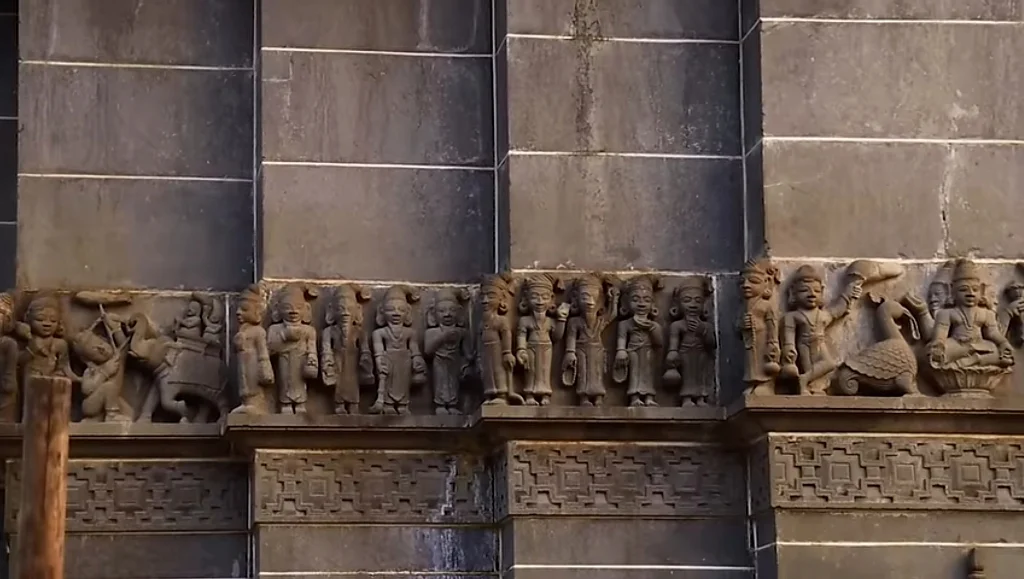
During the 18th century, Nana Phadnavis commissioned the construction of the Sabhamandap and also designed the shikhara, giving the temple its present form. Earlier, Maratha king Chhatrapati Shivaji Maharaj had endowed the temple to support daily worship and religious ceremonies, ensuring its continued spiritual significance.
Geographical Location of Bhimashankar Jyotirlinga
Bhimashankar Jyotirlinga stands in Bhorgiri village of Khed taluka, in Pune district, Maharashtra. The temple rises amid the Sahyadri (Western Ghats) hills, about 125 km from Pune and nearly 50 km northwest of Khed town. This sacred site also marks the origin of the Bhima River. Revered as one of the twelve holy Jyotirlingas of Lord Shiva, Bhimashankar draws devotees with its serene natural beauty and deep spiritual significance.
Here’s a quick overview:
| Aspect | Details |
|---|---|
| Coordinates | 19.072°N, 73.536°E |
| State | Maharashtra, India. |
| District | Pune |
| River | Bhima |
| Hills | Sahyadri |
| Elevation | ~3,250 to 3,500 feet (990 – 1,070) meters above sea level |
How to Reach Bhimashankar Jyotirlinga Temple
To visit Bhimashankar Jyotirlinga, fly to Pune Airport (PNQ) and then travel by taxi or bus, which takes about 3–4 hours. The nearest railway stations are Pune and Karjat, both well connected to major cities. By road, regular buses and taxis operate from Pune (110–125 km) and Mumbai (about 220 km), passing through scenic ghat roads. For adventure seekers, a trekking route to Bhimashankar also begins from Khandas village.
Important Tips
Temple Timings: The temple generally remains open from 4:30 AM to 12:00 PM and again from 12:30 PM to 9:30 PM. However, timings may vary on festival and special occasion days, so it is advisable to check in advance.
Darshan: General darshan is free for all devotees. For those seeking quicker entry, a VIP darshan facility is available at an approximate cost of ₹500, subject to temple guidelines.
Parking: Parking space is limited and can be challenging during peak hours. It is best to arrive early or be prepared to park at designated areas a short distance from the temple.
Best Time to Visit: If you prefer dry weather, avoid the peak monsoon months, as the region receives heavy rainfall. The post-monsoon season, however, brings lush greenery and pleasant surroundings, making it an ideal time to visit.
Stay options near Bhimashankar Jyotirlinga Temple
Bhimashankar Jyotirlinga Temple in Maharashtra offers several budget-friendly stay options near the temple, including guesthouses, resorts, and MTDC lodges. Popular choices such as Ratwa Resort, Shivneri Cottage, and the MTDC Holiday Resort lie within a short distance, making them convenient and comfortable for pilgrims.
Budget Guesthouses
Shraddha Guesthouse and Shiv Amrut Atithi Gruh offer simple and clean rooms, with prices starting at around ₹500–₹1,300 per night. Located about 6–7 km from the temple, they suit devotees who prefer peaceful surroundings while staying close to Bhimashankar.
These accommodations provide basic amenities such as private bathrooms and maintain a family-friendly environment with reasonable services.
Sai Hill Resort is another affordable option located very close to the temple. It particularly suits backpackers and low-budget travelers seeking convenience and easy access.
Resorts and Lodges
Ratwa Resort, located about 3.8 km from the temple, offers neat cottages with kitchen facilities and an in-house vegetarian restaurant, making it a comfortable choice for families.
Holiday Resort Bhimashankar by MTDC, a government-run property situated right next to the temple, provides private rooms and on-site dining. Its close proximity and reliable facilities make it especially appealing to pilgrims and families.
Other nearby options such as Hotel Natraj (around 9 km away) and Hotel Rajwada (about 6 km away) also offer convenient access via the main temple road.
Bhimashankar Jyotirlinga Temple schedule
Bhimashankar Jyotirlinga Temple usually opens in the early morning and closes late in the evening. Daily darshan generally begins between 4:30 and 5:00 AM and continues until 9:30 PM. The temple conducts aartis and poojas according to a fixed schedule, with slight variations on festival days and special occasions.
| Aarti / Pooja | Approximate Timing |
|---|---|
| Kakad Aarti (Morning Aarti) | 4:30 – 5:00 AM |
| Abhishek Pooja | 5:30 AM – 12:00 PM |
| Madhyan Aarti (Afternoon) | Around 12:00 PM |
| Sandhya Aarti (Evening) | Around 7:00 PM |
| Shej Aarti (Night Aarti) | 9:00 – 9:30 PM |
Note: Timings may vary on Mondays, during the Shravan month, and on major festival days. It is advisable to confirm locally before planning your visit.
During major festivals such as Maha Shivratri and Kartik Purnima, the temple hosts special rituals, including the Mahaposhak ceremony around 3:00 PM, along with extended and more elaborate palanquin processions.
Places of attraction near Bhimashankar Jyotirlinga Temple
Bhimashankar Jyotirlinga Temple is surrounded by natural attractions in the Sahyadri hills, including waterfalls, viewpoints, and wildlife spots ideal for pilgrims and trekkers.
Natural Viewpoints
Nag Phani rewards visitors with stunning views of deep valleys from its rocky cliffs, located just a short trek from the temple. Nearby, Bombay Point offers sweeping panoramic views of forest-covered hills, making it a peaceful spot to pause and admire the landscape.
Sacred Sites
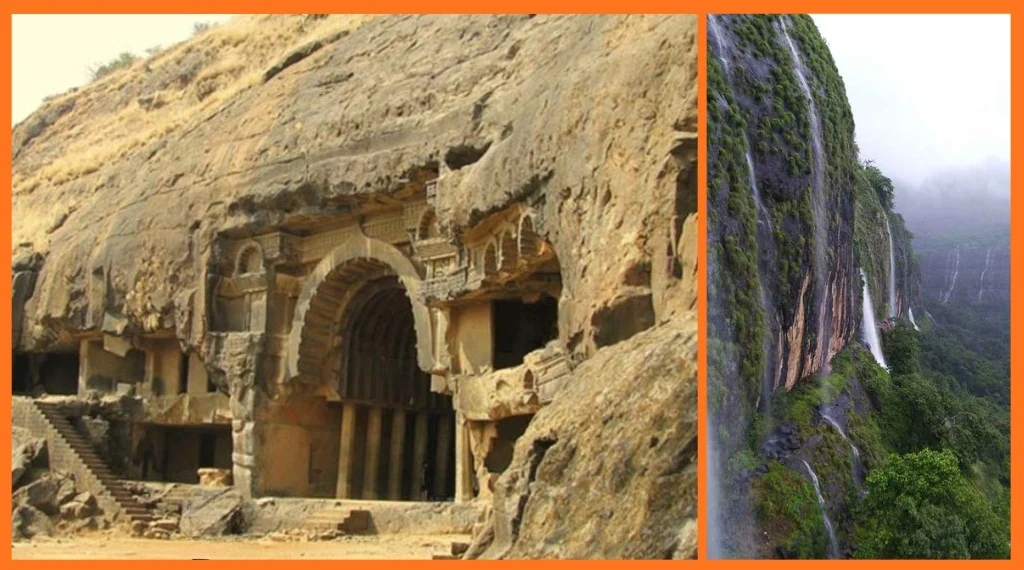
Gupt Bhimashankar is a secluded cave shrine located nearby and is closely linked to the temple’s mythology. Sakshi Vinayak, situated at the end of the trek, houses a revered idol of Lord Ganesha and holds special spiritual significance for devotees.
Wildlife and Water
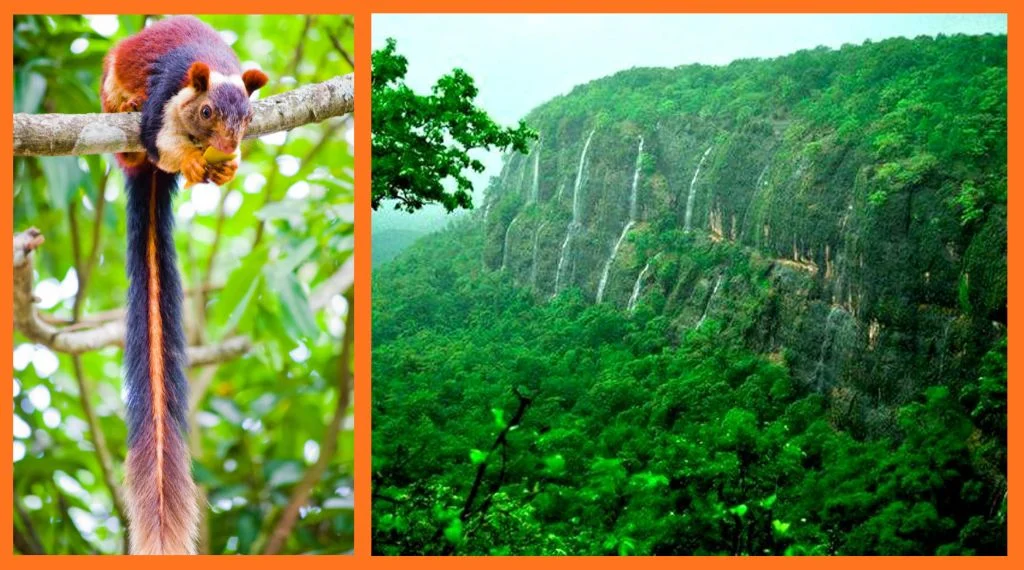
Bhimashankar Wildlife Sanctuary stretches across dense forest landscapes and is home to rare species such as the Malabar Giant Squirrel. Several nature trails begin near the temple, offering quiet walks amid greenery. Nearby, Hanuman Lake provides a peaceful setting for picnics beside calm waters.
Historical Spots
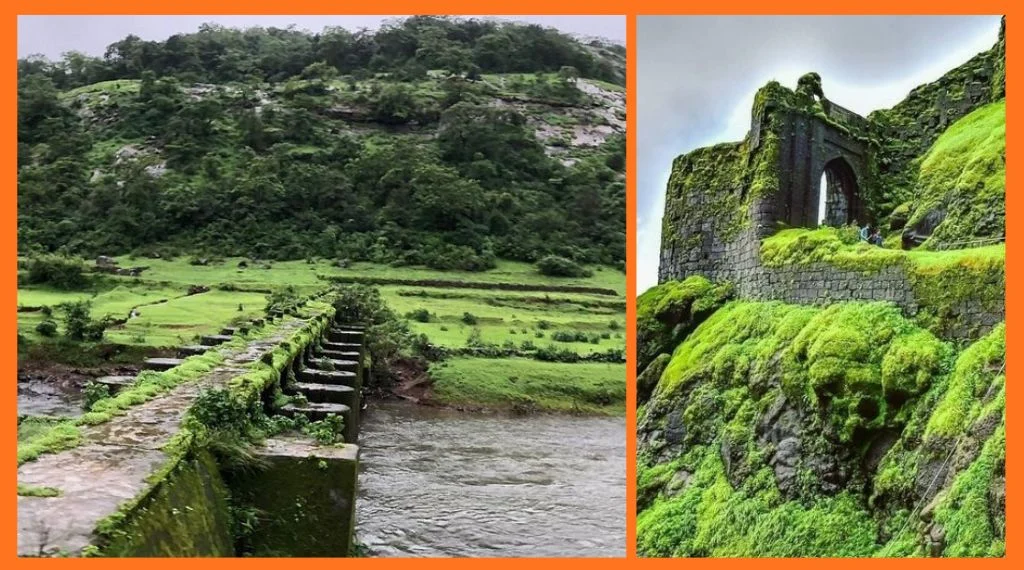
Bhorgiri Fort requires a moderate trek through wooded paths and rewards visitors with historic ruins and scenic viewpoints. Nearby, the origin of the Bhima River, located east of the temple, marks a sacred spot where the holy river begins its journey.
Conclusion
Bhimashankar Jyotirlinga is more than a sacred destination; it is a journey into stillness, devotion, and timeless faith. Surrounded by ancient forests, flowing rivers, and echoes of powerful legends, the temple invites every pilgrim to slow down and reconnect with Lord Shiva in a deeply personal way. Whether you come seeking blessings, peace of mind, or a moment of quiet reflection, Bhimashankar offers an experience that lingers long after the darshan ends. As you leave the Sahyadri hills behind, you carry not just memories of a holy place, but a renewed sense of calm, faith, and spiritual balance.
Frequently Asked Questions (FAQs)
Bhimashankar Jyotirlinga stands in Bhorgiri village of Khed taluka, in Pune district, Maharashtra. The temple rises amid the Sahyadri (Western Ghats) hills.
The Bhimashankar temple opens daily at 5:00 AM and closes around 9:00–9:30 PM.
Yes, devotees are advised to wear traditional clothing; jeans and formal wear are generally not allowed inside.
The shiv linga is best viewed during the morning Akada Aarti (around 4:30 AM), as it is covered with silver clothing for most of the day.
Mobile phones are prohibited inside the main temple premises.
Valid Government ID proof (such as Aadhaar, PAN, or Passport) is mandatory for all devotees as per temple rules.