Temples of India is a spiritual travel blog which covers from quiet Himalayan shrines to vibrant temple towns of the South. It is all about discovering the spiritual soul of India. Through this blog, I share detailed pilgrimage guides, temple histories, rituals, travel tips, and personal experiences to help fellow devotees and seekers.
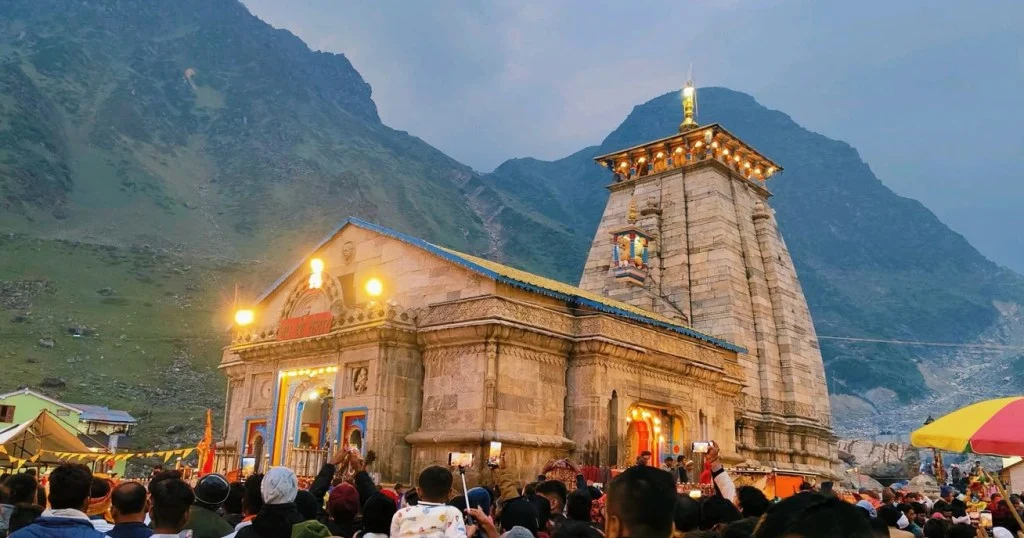
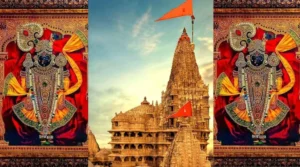
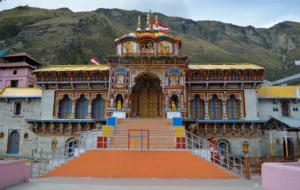
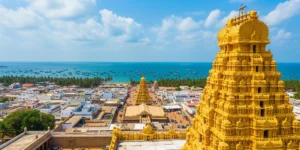
The Char Dham is a set of four Hindupilgrimage sites in India, consisting ofBadrinath, Dwarka, Puri and Rameswaram. The Char Dham is not to be confused with the Chota Char Dham which comprises Yamunotri, Gangotri, Kedarnath, Badrinath. It is a Hindu pilgrimage circuit in Uttarakhand which was named by the religious tourism industry.
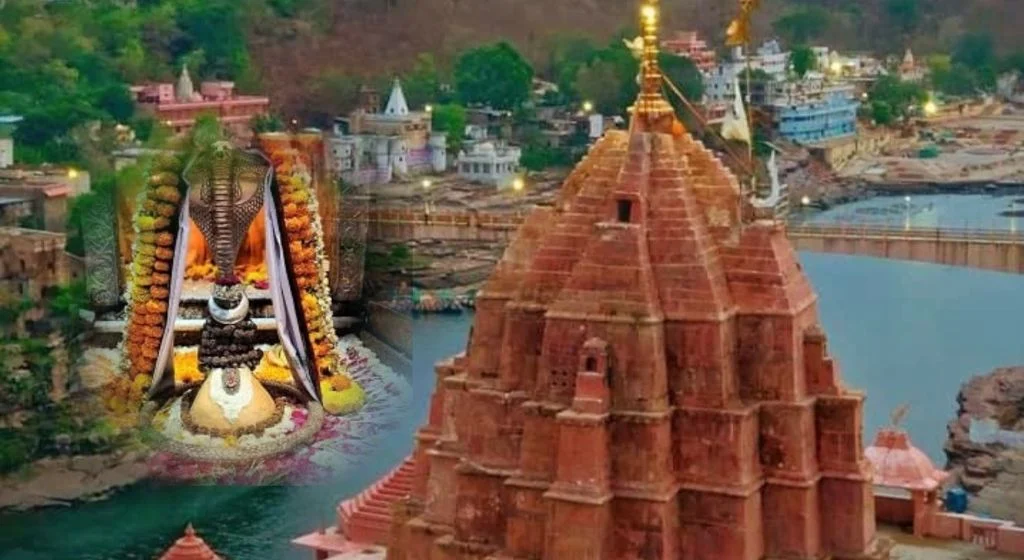
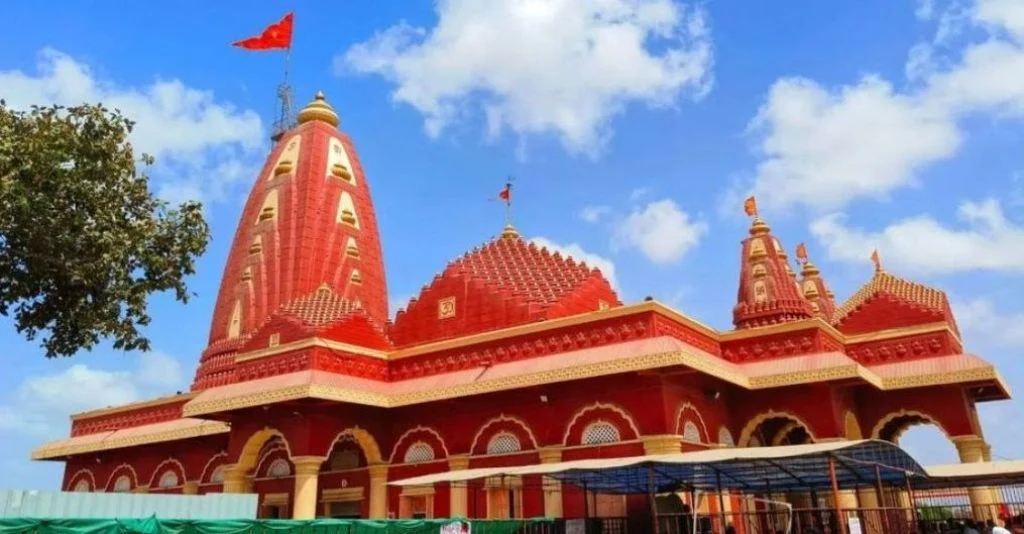
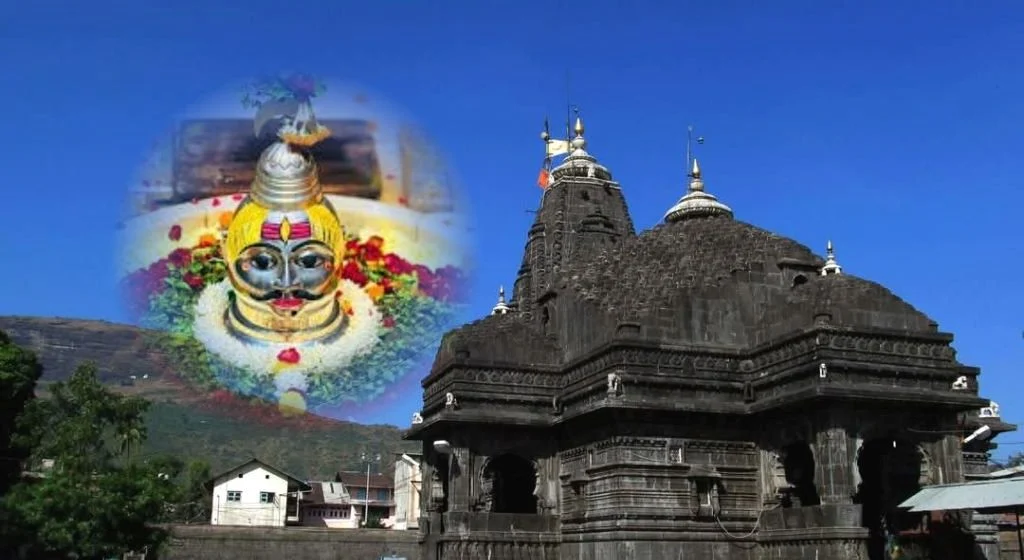
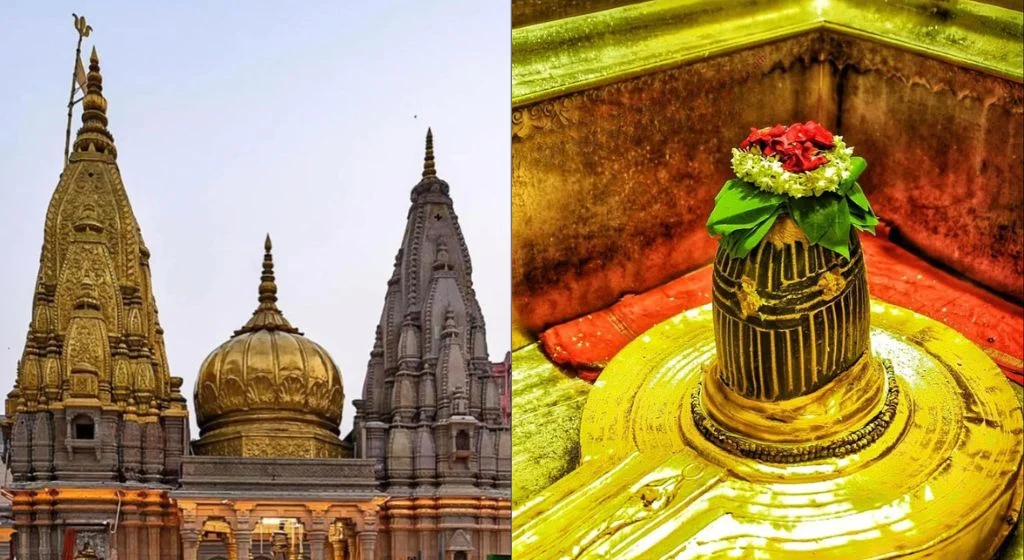
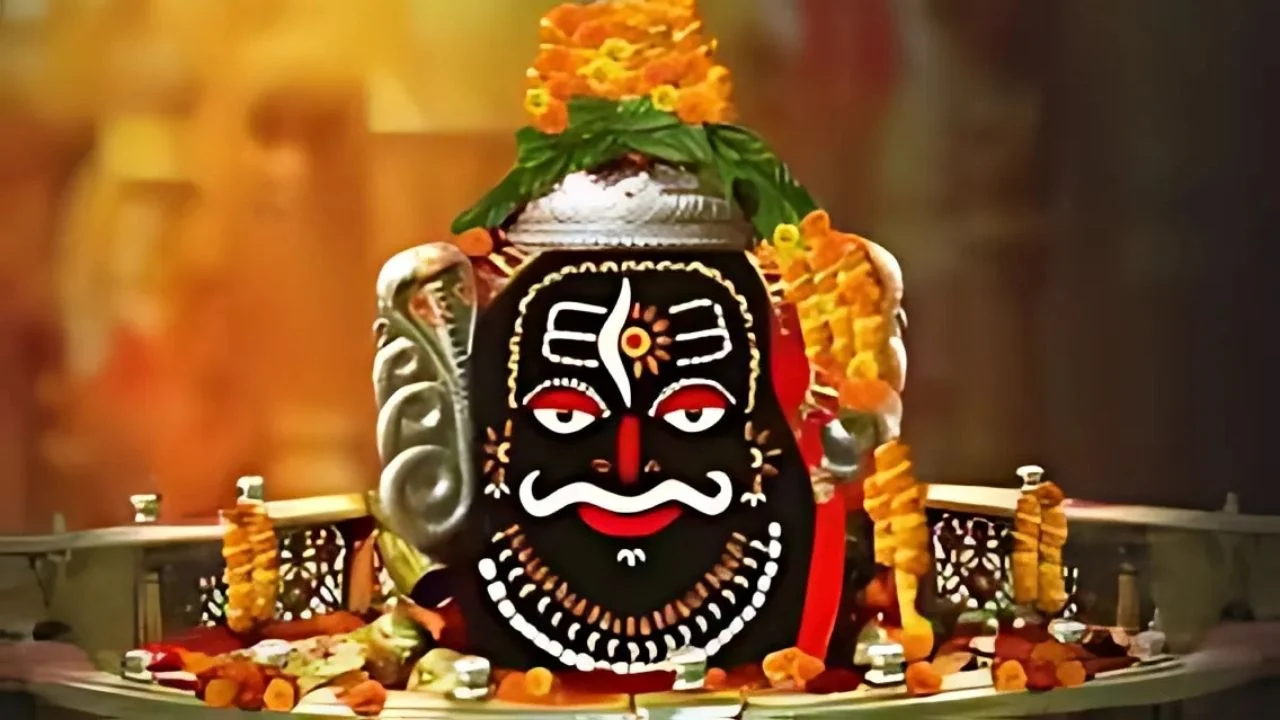
A Jyotirlinga is a holy image of Lord Shiva, seen as a ‘pillar of light’ that has no beginning or end. There are 12 main Jyotirlingas in India, believed to have appeared on their own as very powerful places of Shiva’s energy. Millions of devotees visit these temples to pray for blessings, find peace, and honor Lord Shiva through the different stories and traditions linked to each shrine.
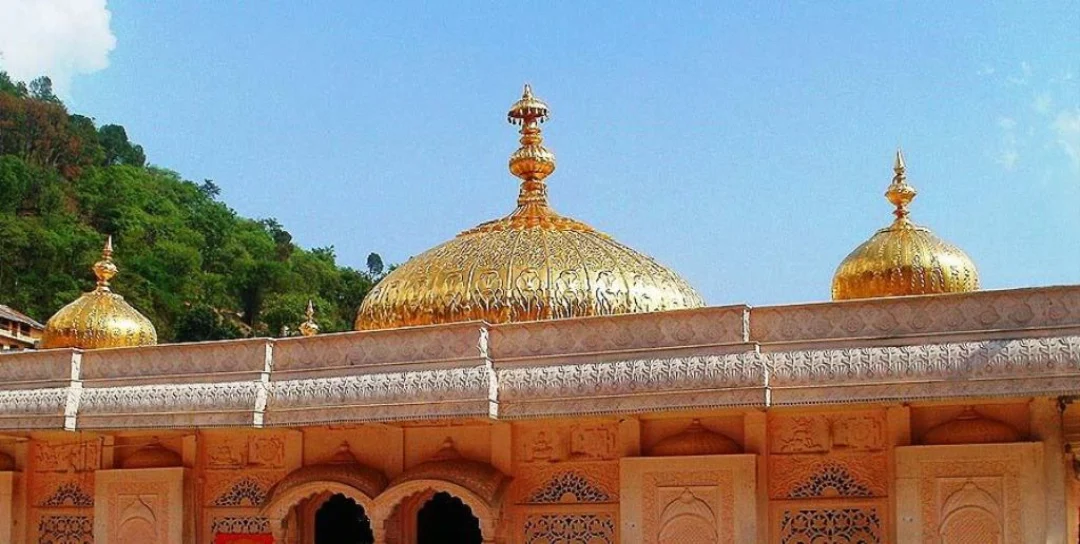
According to the Hindu Puranas, Sati, the daughter of Prajapati Daksha, married Shiva against her father’s wishes. Daksha performed a grand yajna (sacrifice) but did not invite Sati or Shiva. Even so, Sati went to the yajna, where Daksha ignored her and insulted Shiva. Unable to bear the insult, Sati offered herself into the fire. Filled with grief, Shiva wandered the universe carrying her half-burnt body. At last, Vishnu used his Sudarshan Chakra to cut her body into 51 parts, which fell on different places across the earth. Each of these places became a Shakti Peeth.