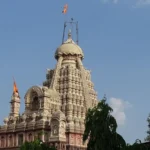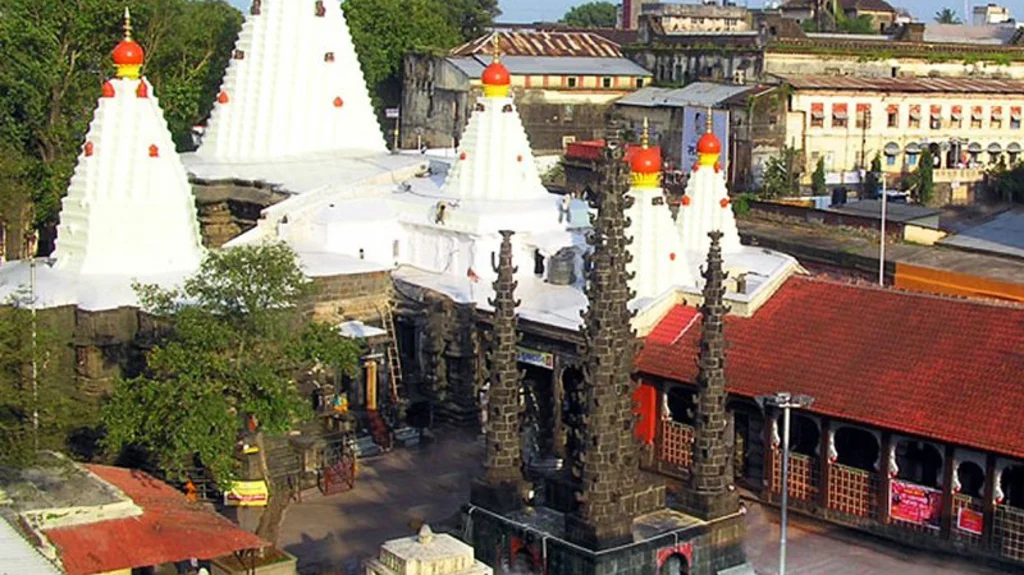


Bakreshwar stands as one of the most revered spiritual destinations in eastern India, where devotion, mythology, and natural wonders come together in a unique way. Located in the Birbhum district of West Bengal, the sacred site of Bakreshwar Shakti Peeth is dedicated to Goddess Mahishmardini, a powerful form of the Divine Mother. According to Hindu tradition, this holy place is one of the significant Shakti Peethas where parts of Goddess Sati’s body are believed to have fallen, making it a deeply important pilgrimage destination for devotees.
What makes Bakreshwar even more fascinating is the presence of its famous natural hot springs, which have attracted pilgrims and travelers for centuries. Devotees often take a ritual bath in these sacred waters before offering prayers at the temple, believing the springs possess healing and purifying powers. The spiritual atmosphere, combined with ancient legends and serene surroundings, gives Bakreshwar a mystical charm that continues to draw thousands of visitors every year.
Legends of Bakreshwar Shakti Peeth
According to the Hindu Puranas, Sati, the daughter of Prajapati Daksha, married Shiva against her father’s wishes. Daksha performed a grand yajna (sacrifice) but did not invite Sati or Shiva. Even so, Sati went to the yajna, where Daksha ignored her and insulted Shiva. Unable to bear the insult, Sati offered herself into the fire. Filled with grief, Shiva wandered the universe carrying her half-burnt body. At last, Vishnu used his Sudarshan Chakra to cut her body into 51 parts, which fell on different places across the earth. Each of these places became Shakti Peethas.
According to legend, the portion between Devi Sati’s eyebrows, symbolizing her mind, fell in this region. Later, devotees erected a shrine here and consecrated it for the worship of Shaivite forces.
You may also explore four Adi Shaktipeethas: Vimala, Tara Tarini, Kamakhya and Kalighat.
Stories of Ashtabakra Muni
A popular story explains how the place received its present name. According to legend, two renowned sages, Subrata and Lomas, once received an invitation to attend the marriage ceremony of Lakshmi and Narayana. When the hosts welcomed Rishi Lomas first, Rishi Subrata became furious with anger. The intensity of his rage twisted his body into eight folds, and people later began to call him Ashtabakra.
Despite his deformity, Sage Ashtabakra remained a devoted follower of Lord Shiva. He came to this sacred region and performed intense penance to please the Lord. Moved by his unwavering devotion, Lord Shiva appeared before the sage and granted him divine blessings. From that time onward, people began to revere the place as Bakreshwar, a name derived from the words “Bakra” meaning bent or twisted and “Ishwar” meaning Lord Shiva. Over the centuries, the site grew into an important spiritual center where devotees worship both Lord Shiva and the Divine Mother at the sacred shrine of Bakreshwar Shakti Peeth in West Bengal.
Historical Background of Bakreshwar Temple
While ancient legends trace the sanctity of this site to the Satya Yuga, the present temple structure dates back to 1761 CE, when the local ruler Darpanarayan built it. Earlier shrines in the area indicate that devotees had worshipped here long before the 18th century.
The temple complex reflects the influence of traditional Oriya-style architecture and remains under the care of the Archaeological Survey of India. Within the complex, devotees worship Goddess Mahishmardini, whose idol depicts the ten-armed goddess seated on a lion, along with Lord Vakranath, a revered form of Shiva. The surrounding area also features numerous Shiva shrines, including a cluster of 108 Shiva lingas, which suggests that the sacred site has evolved and expanded through centuries of continuous devotion at Bakreshwar Shakti Peeth in West Bengal.
Architecture of Bakreshwar Temple
Bakreswar Temple showcases a distinctive architectural style that stands out in West Bengal’s temple landscape.
Core Architectural Style
The main temple follows the Oriya or Odishan rekha-deul pattern, featuring a tall, curvilinear shikhara (tower) rising above the sanctum sanctorum, unlike typical Bengali curved roofs. This Odisha-influenced design includes ornate carvings on walls depicting mythological scenes, gods, and floral motifs, with the central Shiva shrine accessed via a roofed, tunnel-like corridor.
Key Temple Structures
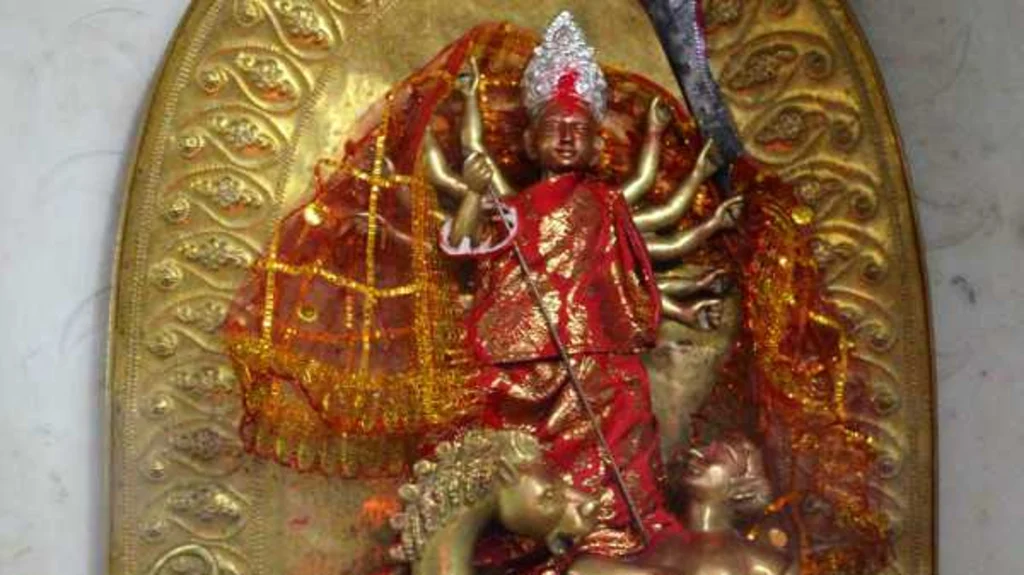
The complex houses the Mahishmardini Temple with its ten-handed idol of the goddess seated on a lion, adorned with historical paintings preserved by the Archaeological Survey of India. Adjacent is the Vakranath (Bhairav) Temple and surrounding Shiva shrines, including those near the seven hot springs, each paired with a Shiv linga. Numerous smaller temples, some without images, cluster around the main edifice, built partly in 1761 AD by king Darpanarayan.
Site Integration
Structures harmonize with the natural Paaphra River banks, integrating hot springs like Agni Kund into the sacred layout for ritual bathing. The overall complex reflects layered construction, blending ancient sanctity with 18th-century enhancements under Oriya aesthetics.
Geographical Location
Bakreshwar Temple stands as a prominent Hindu pilgrimage site in the Birbhum district of West Bengal. It lies about 18 km southwest of the district headquarters, Suri. Devotees recognize it as a sacred Shakti Peeth. The site is famous for the Mahishmardini Temple, the Bakranath Temple, and the nearby natural hot springs.
Here’s a quick overview:
| Aspect | Details |
|---|---|
| Coordinates | 23°52’N 87°25’E |
| State | West Bengal |
| District | Birbhum |
| Nearest Town | Suri (approx. 18 km) and Dubrajpur. |
| Elevation | 77 meters (253 feet) above sea level |
How to Reach Bakreshwar Temple

Bakreshwar Temple in Birbhum, West Bengal, is easy to reach. The nearest railhead is Dubrajpur Railway Station, about 10–15 km away. Suri lies around 20 km from the temple. Travelers can reach here from Kolkata by train in about 4–5 hours or by road over a distance of nearly 200 km. The temple is famous for its Shakti Peeth, Shiva temples, and ten natural hot springs.
Here are the best ways to reach Bakreshwar Temple:
By Train (Best Option)
Take a train from Howrah Junction to Dubrajpur or Suri Railway Station. The Mayurakshi Express runs daily from Howrah to Dubrajpur and takes around 4 hours. From Dubrajpur station, you can hire taxis, autos, or rickshaws to reach the temple.
By Road
Bakreshwar Temple lies about 200–210 km from Kolkata. You can drive your own car to reach the temple. Follow this route: Kolkata → Dankuni → Bardhaman → Panagarh → Ilambazar → Dubrajpur → Bakreshwar Shakti Peeth. The journey takes about 4–5 hours depending on traffic.
You can also take a WBTC or private bus from Esplanade to Suri. From Suri, take a local bus or taxi to reach Bakreshwar Shakti Peeth. The journey takes about 20–30 minutes.
Best Time to Visit Bakreshwar Shakti Peeth
The best time to visit Bakreshwar Shakti Peeth is during the winter months from October to March. The weather stays cool and pleasant, making it ideal to explore the temple complex and nearby hot springs. Devotees consider Mondays especially sacred, as they dedicate the day to Lord Shiva, and many visit the temple for special prayers.
Key Tips for Visitors:
- Avoid visiting during summer and monsoon. The weather becomes extremely hot or humid, and the nearby hot springs can feel uncomfortable.
- Temple timings follow a daily schedule. The temple opens in the morning, closes around 12:00 PM to 1:00 PM, and reopens in the evening for Aarti.
- For transportation, Suri and Dubrajpur are the nearest towns. From there, you can easily find auto-rickshaws for a short ride to Bakreshwar Shakti Peeth.
Stay Options Near Bakreshwar Temple

Several comfortable stay options exist near Bakreswar Temple in Birbhum, primarily in Suri and surrounding areas, catering to pilgrims and tourists.
Closest Hotels
Hotel Bequest Inn in Suri offers simple AC rooms with Wi-Fi, dining, and parking, about 9 km from the temple, with a 4.3 rating from over 2,000 reviews. Lalpahari Guest House, 14 km away near Suri Bypass, provides furnished rooms, some with AC, an outdoor pool, and meals, rated 4.6.
Budget and Mid-Range Picks
SPOT ON 38004 Neel Akash, around 8-9 km in Patharchapuri near Suri, is a basic budget hotel with a 4.2 rating. Udayan Lodge & Ceremony Bhavan near Suri Bus Stand (14 km) offers simple lodging with high guest satisfaction at 5.0 from limited reviews.
Further Options
A West Bengal government tourist lodge (Shantobitan) is available right near the temple for pilgrims, alongside local dharamshalas. Properties like Mayas (33 km toward Santiniketan) and Mohor Kutir Resorts (35 km) provide resort-style stays with pools and eco-vibes for longer visits.
Nearby Attractions of Bakreshwar Temple
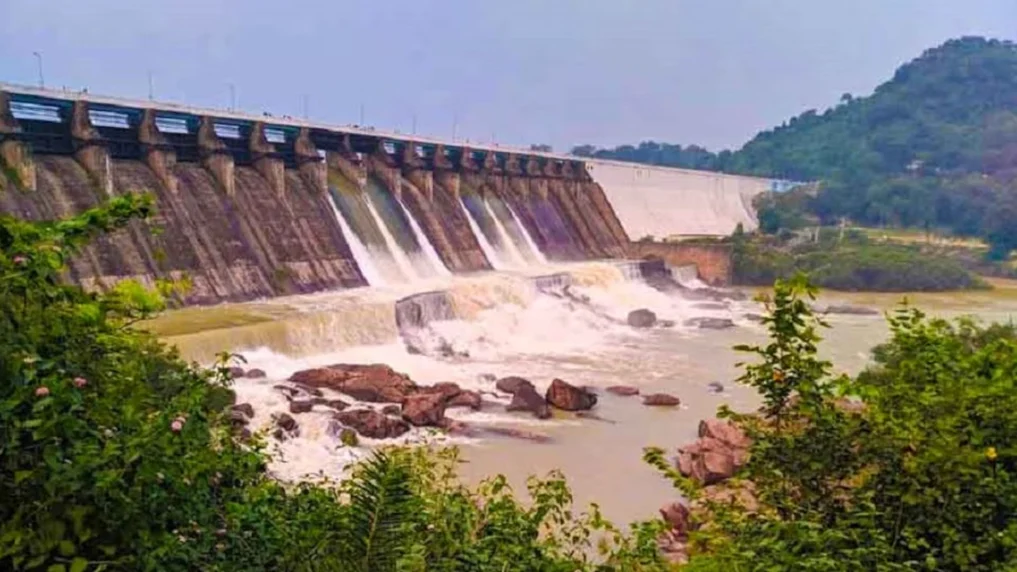
Bakreshwar Temple, a major Shakti Peeth in the Birbhum district of West Bengal, is famous for its eight natural hot springs, including Agni Kund with temperatures ranging from 80–93°C, and the Mahishmardini Temple. Nearby attractions include the scenic Massanjore Dam, located about 40 km away, the unique rock formations of Mama Bhagne Pahar, and the spiritual town of Tarapith Temple, around 60 km from the temple.
- Hot Springs: Bakreshwar Hot Springs feature eight distinct natural springs. Pilgrims use Papaharaganga for ritual bathing, while Agni Kund remains the hottest, with temperatures reaching up to 93°C.
- Mama Bhagne Pahar: Located in Dubrajpur, these uniquely balanced rock formations attract visitors with their unusual natural structure.
- Massanjore Dam: Massanjore Dam stands on the Mayurakshi River and offers scenic views. It lies about 40 km from Bakreshwar.
- Tarapith Temple: Tarapith Temple is a renowned tantric shrine and Shakti Peeth dedicated to Goddess Tara. It is located around 60 km away.
- Amar Kutir: Amar Kutir promotes traditional arts and crafts. It is especially known for leather goods, batik prints, and kantha stitch work.
- Ballavpur Wildlife Sanctuary: Ballavpur Wildlife Sanctuary serves as a peaceful deer park and bird sanctuary near Santiniketan.
- Prakriti Bhavan: Prakriti Bhavan showcases creative sculptures made from natural materials in a unique nature art gallery.
- Bakreshwar Thermal Power Station: Bakreshwar Thermal Power Station stands as a major industrial landmark in the region.
Conclusion
Bakreshwar is more than just a pilgrimage site. It is a place where faith, history, and nature come together in a truly unique way. From the sacred presence of Goddess Mahishmardini at Bakreshwar Shakti Peeth to the healing warmth of its natural hot springs, every corner of this holy land carries a sense of deep spiritual energy.
Whether you visit as a devotee seeking blessings or as a traveler exploring the cultural richness of West Bengal, Bakreshwar offers an experience that stays with you long after the journey ends. The blend of ancient mythology, serene surroundings, and nearby attractions makes it a perfect destination for both spiritual and peaceful travel.
If you are planning your next temple journey, consider adding Bakreshwar to your list. Let the divine aura, sacred rituals, and timeless stories guide you toward a truly fulfilling and memorable experience.
Frequently Asked Questions (FAQs)
It is one of the 51 Shakti-Peethas, where Sati’s forehead fell. It is a major pilgrimage site for tantric worshipers.
The main deities are Mahishmardini (Durga) and Baba Bakranath (Shiva).
The best time is during winter, from October to March, when the weather is pleasant for visiting and taking a bath in the hot springs.
The temple typically remains open from 5:00 AM to 10:00 PM.