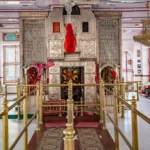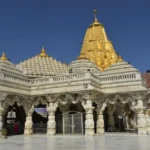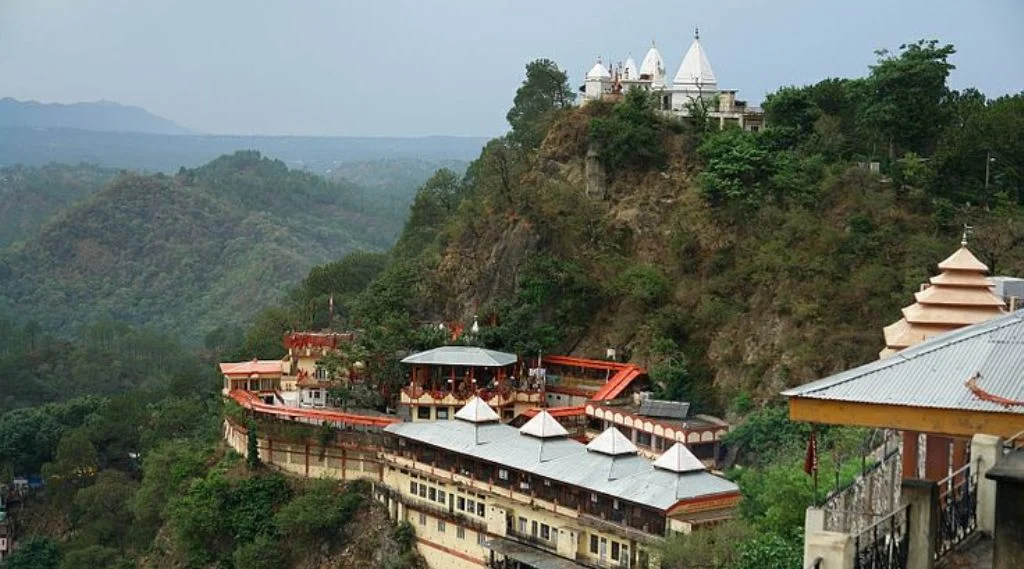


Located in the serene hills in Bilaspur district of Himachal Pradesh, the Naina Devi Temple isn’t just a religious site—it’s a spiritual experience that pulls pilgrims and travelers into a world of myth, devotion, and panoramic beauty. Whether you’re a spiritual seeker or an offbeat explorer, Naina Devi Temple offers something unforgettable.
Mythology Behind Naina Devi Temple
According to the Hindu Puranas, Sati, the daughter of Prajapati Daksha, married Shiva against her father’s wishes. Daksha performed a grand yajna (sacrifice) but did not invite Sati or Shiva. Even so, Sati went to the yajna, where Daksha ignored her and insulted Shiva. Unable to bear the insult, Sati offered herself into the fire. Filled with grief, Shiva wandered the universe carrying her half-burnt body. At last, Vishnu used his Sudarshan Chakra to cut her body into 51 parts, which fell on different places across the earth. Each of these places became a Shakti Peeth.
The name “Naina” comes from the Sanskrit word for “eyes.” According to Hindu mythology, the temple marks the spot where the eyes of Goddess Sati fell when Lord Vishnu dismembered her body to end Shiva’s rage. This is why the temple is considered one of the 51 Shakti Peethas, sacred shrines where parts of the goddess’s body fell.
Temple oral traditions also suggest that the Pandavas during their vanvas (exile) period enshrined secondary idols beside the main Pindi (sacred stone form) of Naina Devi. These idols represent ancient forms of Ganesha and other deities placed in the shrine’s sanctum.
Mahishasura and the Battle of Good Over Evil
Another powerful legend associated with the temple is that of Mahishasura, the demon king who had a boon that no man could kill him. With pride and cruelty, he terrorized the heavens and the earth. The gods, helpless against his tyranny, appealed to Maa Durga for help.
According to legend, the goddess appeared here as Durga and defeated the buffalo demon Mahishasur, symbolizing the triumph of divine justice over arrogance and evil. After she vanquished the demon, the gods chanted “Jai Naina Devi,” reinforcing her association with sight and divine perception. People also know the temple by another epithet—Mahishapeeth.
You may also explore four Adi Shaktipeethas: Vimala, Tara Tarini, Kamakhya and Kalighat.
History of Naina Devi Temple
Naina Devi Temple’s history reflects continuous royal support — beginning with Raja Bir Chand’s 8th-century construction, sustained by Rajput rulers of the Chandel lineage, and later spiritually embraced by Guru Gobind Singh — each reinforcing its status as a timeless center of divine power and cultural unity in Himachal.
Early Mentions and Folk Worship
Records suggest that local tribal communities worshipped the site as a Shakti sthala long before any structured temple existed. According to oral traditions and temple manuscripts, a humble shrine stood here as early as the 8th–9th century CE, possibly maintained by local shepherd tribes and early hill settlers who worshipped the feminine divine under different names.
Over time, the cult of Shakti in the region grew strong, and the site gained spiritual significance for its association with the Nayan (eyes) of Sati, solidifying its identity as a Shakti Peetha. Pilgrims from nearby regions began to visit the site seasonally, especially during Navratri.
Early Royal Patronage
Raja Bir Chand, a local ruler of Himachal’s Bilaspur region, served as the earliest known patron of the Naina Devi Temple and constructed the original shrine during the 8th century CE. According to historical sources and temple traditions, Raja Bir Chand acted on divine visions after a shepherd named Naina from the Ahir community discovered a miraculous flow of milk from his cow onto a sacred stone. Recognizing the stone as a manifestation of the Goddess, the king ordered the temple’s construction on Naina Hill to honor her as Naina Devi.
Medieval Dynasties
During the Chandel period (9th–12th centuries), local Rajput rulers connected to the broader Shakti cult in the western Himalayas continued to support the temple. Around the 9th century CE, Raja Gambhir Chand of the Chenani State, a descendant of the Chandel lineage, restored several temples dedicated to the same goddess tradition, strengthening regional devotion to Naina Devi and her Mahishasuramardini form, known as Mahishapeeth.
Sikh Historical Association
During the 18th century, Sikh patrons also elevated the temple’s prominence. Historical accounts record that Guru Gobind Singh meditated near this site before proceeding to the battle of Anandpur Sahib. This association transformed the temple into an interfaith symbol of divine power shared by Hindus and Sikhs, especially after the construction of Bhakra Dam and Govind Sagar Lake in the surrounding region.
Rebuilding in the 20th Century
The temple was rebuilt in the early 20th century by local patrons and the temple trust, with funding support from the erstwhile royal family of Bilaspur.
Since 1948, after the merger of princely states into the Indian Union, the Himachal Pradesh government has officially supervised the management of the temple through a formal temple trust, which maintains records of donations, footfall, and rituals. The trust also documents regular pilgrimages and the significant increase in footfall during the Chaitra and Ashwin Navratri festivals.
Modern Recognition and Pilgrimage Records
In official tourism records from the 1980s onward, Naina Devi Temple consistently appears among the top religious destinations of Himachal Pradesh. Government archives and ASI reports acknowledge it as a historically significant religious site with strong socio-cultural impact on the region.
Today, the temple is connected by motor roads, ropeways, and GSRTC buses, bringing in lakhs of pilgrims annually. Its annual fairs, especially during Shravan Ashtami, are recorded in district administrative reports, reflecting both economic and religious importance.
Architecture: Where Simplicity Meets Sanctity
The Naina Devi Temple demonstrates how Himalayan Shakti temples adapted standard North Indian forms—such as the rekha-prasada shikhara—to steep terrains and seismic conditions by incorporating wooden supports and extended roofs. Its hybrid design showcases both spiritual symbolism and regional craftsmanship, establishing the temple not only as a sacred Shakti Peetha but also as a hallmark of Himachal’s temple architecture tradition.
Main Shrine Layout
The main shrine enshrines three deities:
- In the center, Maa Naina Devi represents the fallen eyes (naina) of Goddess Sati.
- To her left stands Maa Kali, symbolizing fierce protection.
- To the right is Lord Ganesha, revered as the remover of obstacles.
The sanctum opens into a mandapa (pillared assembly hall) where priests perform daily rituals and aarti. Intricate silver-plated doors at the entrance depict motifs of deities, and two lion statues—the goddess’s mounts—stand guard at the gateway.
Auxiliary Shrines and Features
The complex houses several smaller temples, including shrines to Lord Hanuman, Lord Shiva, Ek Pad Bhairav Ji, and Lord Ganesha, each positioned according to tantric directional norms. Devotees also revere a centuries-old peepal tree within the temple, honoring it as sacred and symbolic of endurance.
Below the main temple, devotees find the Naina Devi Cave, which the goddess originally inhabited before priests relocated her to the hilltop. Measuring about 70 feet long, the cave now serves as a meditative sanctuary and a sub-site for pilgrimage.
Artistic Detailing
Artists decorate the temple’s dome-shaped roof with painted mythological scenes from the Devi Bhagavata Purana and Durga Saptashati, along with carved floral and celestial motifs. The domes and arches show Himalayan pagoda-style influence, reflecting both climatic adaptation and cultural synthesis with Tibetan architecture.
Summary of Architectural Elements
| Feature | Description |
|---|---|
| Style | Blend of Nagara (Shikhar) and local Himalayan styles. |
| Material | White marble and local hill stone. |
| Roof | Dome-shaped with pagoda influence. |
| Main Deities | Maa Naina Devi, Maa Kali, Lord Ganesha. |
| Distinctive Features | Silver-plated doors, lion sentinels, mythological murals. |
| Secondary Shrines | Bhairav Ji, Hanuman, Shiva, Ganesha. |
Geographical Location of Naina Devi Temple
Perched at an altitude of 3,862 feet above sea level, Naina Devi Temple is located in the Bilaspur district of Himachal Pradesh, close to the Punjab border. It overlooks the scenic Gobind Sagar Lake, which adds to its ethereal charm.
Here’s a quick overview:
| Aspect | Details |
|---|---|
| Coordinates | 31.3064° N, 76.5358° E |
| State | Himachal Pradesh |
| District | Bilaspur |
| Elevation | ~1,177 meters (around 3,862 feet) above sea level |
The temple is also near the famous Anandpur Sahib and lies about 100 kilometers from Chandigarh, making it a convenient detour for pilgrims and tourists alike.
How to Reach Naina Devi Temple

Reaching Naina Devi Temple is both accessible and scenic. Here are your options:
- By Air: The nearest airport is Chandigarh Airport, approximately 100 km away.
- By Train: The closest railhead is Anandpur Sahib, just 22 km from the temple.
- By Road: Buses and taxis run frequently from Chandigarh, Bilaspur, and Anandpur Sahib.
- Ropeway: A ropeway offers a thrilling ride up the hill, ideal for those who want to skip the steep climb.
Where to Stay Near Naina Devi Temple

There are several accommodation options ranging from budget dharamshalas to mid-range hotels.
Hotel Temple View
• Distance: 0.2 km from the temple
• Price Range: ₹800–₹1,200
• Highlights: Budget-friendly and extremely close to the temple
Hotel Hilltop
• Distance: 1 km from the temple
• Price Range: ₹1,500–₹2,500
• Highlights: Mid-range comfort with scenic hillside views
Himachal Tourism Lodge
• Distance: 1.5 km from the temple
• Price Range: ₹1,200–₹2,000
• Highlights: Government-run, clean, and reliable for families
Book early during Navratri or summer holidays to avoid last-minute hassles.
Best Time to Visit Naina Devi Temple
- Summer (April to June): Pleasant weather, ideal for family trips.
- Monsoon (July to September): Lush greenery but slippery paths; avoid if you’re uncomfortable with rains.
- Autumn/Winter (October to February): Cold but peaceful; snowfall enhances the experience for winter lovers.
Navratri is the most vibrant time, with the temple lit up and thousands of devotees visiting from across the country.
Major Festivals Celebrated
- Navratri: Held twice a year, during Chaitra (March-April) and Ashwin (September-October), this festival brings nine days of celebration, devotion, and cultural programs. The temple transforms into a vibrant fairground, adorned with flowers, colourful lights, and elaborate décor—often arranged by community groups from Punjab and Haryana. During the Navratri of March–April 2025, over 3.20 lakh devotees visited the Naina Devi temple—part of 18.85 lakh pilgrims across Himachal’s Shakti Peethas
- Shravan Ashtami Mela: Held in July-August, this eight-day fair attracts lakhs of devotees. The fair often runs for about 10 days, culminating on the Ashtami (8th lunar day). For instance, recent editions ran from August 5 to 14. In 2025, the mela was reported to start around July 25 and conclude by August 5, aligning with Shravan Ashtami
Devotees chant, dance, and offer prasad during these festivals, turning the temple into a vibrant hub of faith and celebration.
People & Culture Around Naina Devi
Locals around Naina Devi Temple are primarily Pahari and Punjabi communities. Known for their hospitality, they often offer free guidance to visitors. Small stalls run by local women sell handmade woollens and regional snacks like sidu and babru.
Folk songs, vibrant attire, and temple stories handed down generations give the area its unique cultural identity.
Nearby Attractions to Explore
Make the most of your trip by exploring these nearby gems.
Gobind Sagar Lake:
A man-made reservoir located in the Una and Bilaspur districts of Himachal Pradesh, formed by the construction of the Bhakra Dam between 1955 and 1962. Perfect for boating and photography.
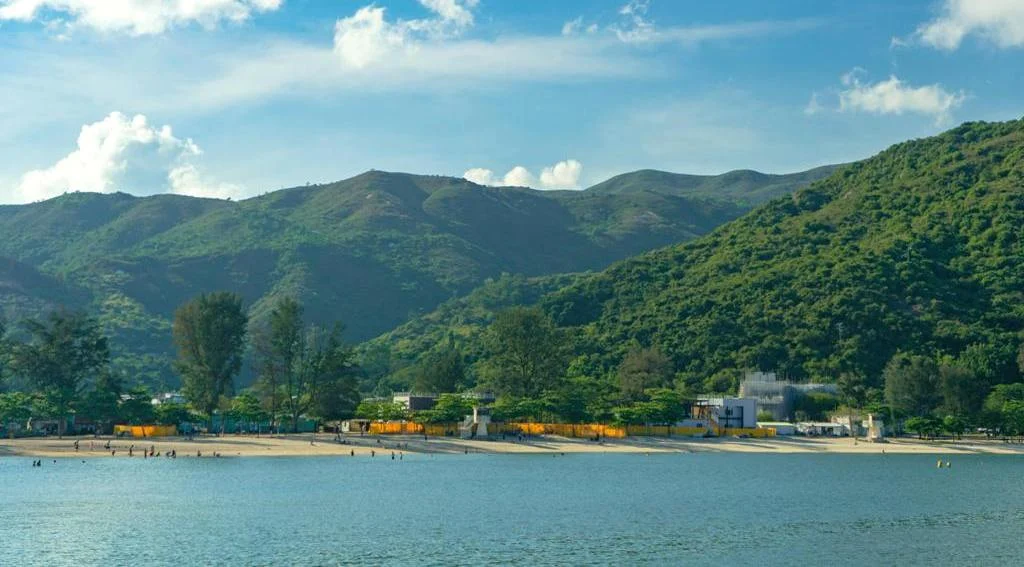
It was named in honor of Guru Gobind Singh, the tenth Sikh Guru. The lake stretches approximately 90 km in length and covers an area of about 170 km², making it one of India’s largest reservoirs.
Bhakra Nangal Dam:
An engineering marvel located about 40 km away. This is a concrete gravity dam built on the Sutlej River near Bhakra village in Bilaspur district, Himachal Pradesh, while Nangal Dam lies downstream in Punjab.
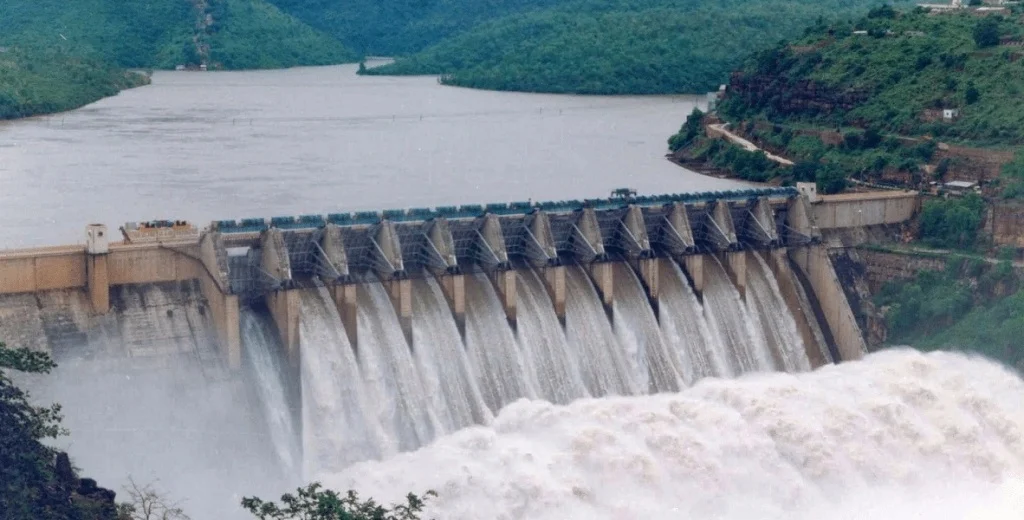
Collectively, they are often referred to as the Bhakra‑Nangal Dam project. The dam stands approximately 226 m (741 ft) tall and stretches 518 m (1,700 ft) long, making it the highest straight-gravity dam in India and the second tallest in Asia.
Anandpur Sahib:
One of the five Takhts of Sikhism, 30 km from the temple. Founded in 1665 as Chakk Nanaki by Guru Tegh Bahadur, the city grew under his son Guru Gobind Singh, who renamed it Anandpur Sahib and made it a center of Sikh spirituality.
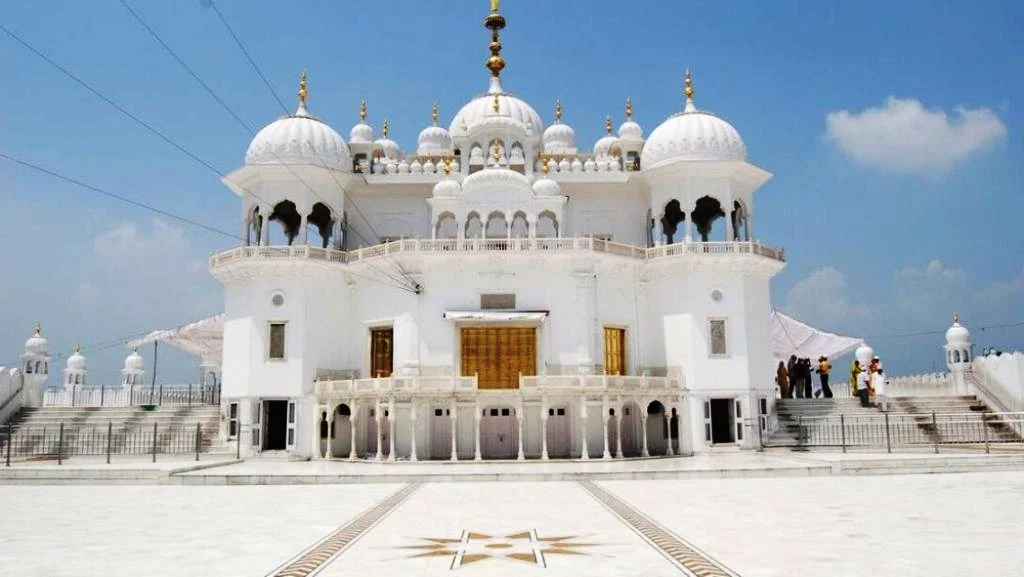
On Vaisakhi, 1699, Guru Gobind Singh initiated the Khalsa Panth, baptized the Panj Pyare, and formally established the Khalsa congregation here—an event central to Sikh identity.
Final Thoughts
A visit to the Naina Devi Temple isn’t just about ticking off a religious destination—it’s about experiencing devotion in its rawest form, culture in its most vibrant expression, and nature at its most sublime.
Whether you’re seeking blessings, history, or tranquility, this hilltop temple offers it all in abundance.
FAQs:
It’s about 100 km from Chandigarh.
The temple is open daily from 6 AM to 10 PM, and entry is free.
Nanda Ashtami Mela is 8‑day long fair culminating in immersion ceremony in August–September every year.
There are approximately 300 stairs from the bus stand to the temple.
The price of a one-way trolley ticket for adults at Naina Devi is Rs.130, and for children, it’s Rs.60. A two-way ticket for adults is Rs.190, and for children, it’s Rs.90.